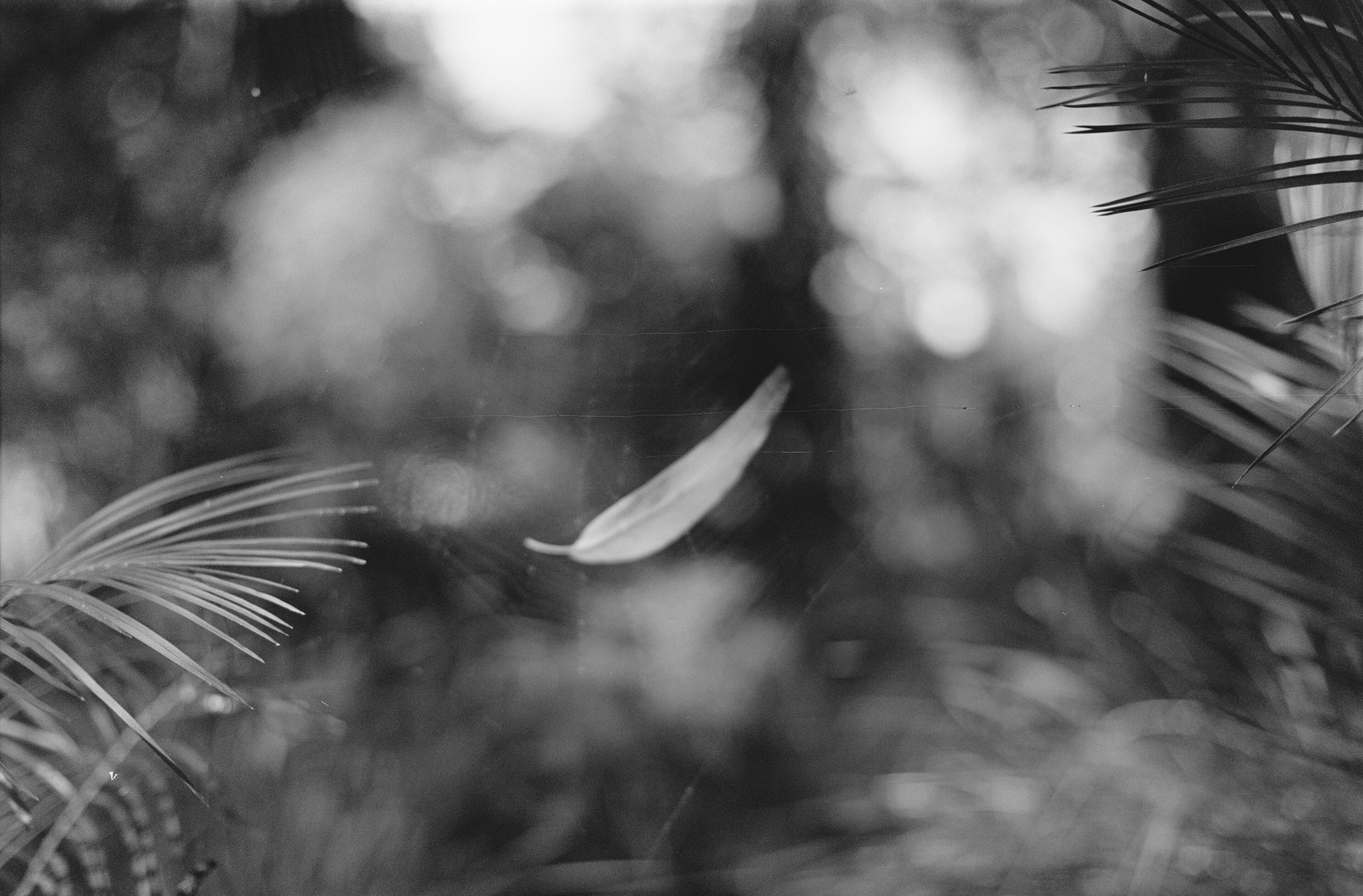
If I told you I was trying to focus on the central leaf you may not believe me.
Two rolls of black and white film and two ideas: shooting a lens wide open at f/1.4, and double exposures.
Shooting the Voigtlander 58mm lens at f/1.4 gives images a unique look. The images lack contrast, transitions between in and out of focus areas of the frame melt together, and the bright and high contrast areas have a distinct glow. This characteristic is common in lenses manufactured in the 1960s and 1970s, but has largely disappeared from modern high end lenses. Modern lenses are built to be sharp and usable at all apertures.
Low contrast images aren’t a problem when shooting black and white, as contrast can be (and here has been) added back in post-processing. The ‘glow’ is prominent where direct sunlight hits the scene – at the top of the next image, or in the transition between tree and bright blue sky of the following.
Inherent in photographs when shooting at f/1.4 is the very narrow depth of field. A narrow depth of field means the photographer has to be precise in setting the focus point, else the desired subject may be relegated to some out of focus area of the frame. I don’t trust myself to hit focus at anything wider than f/2. These photographs back that up, but I enjoy the result where some slightly out-of-focus areas interact with that glowing characteristic.
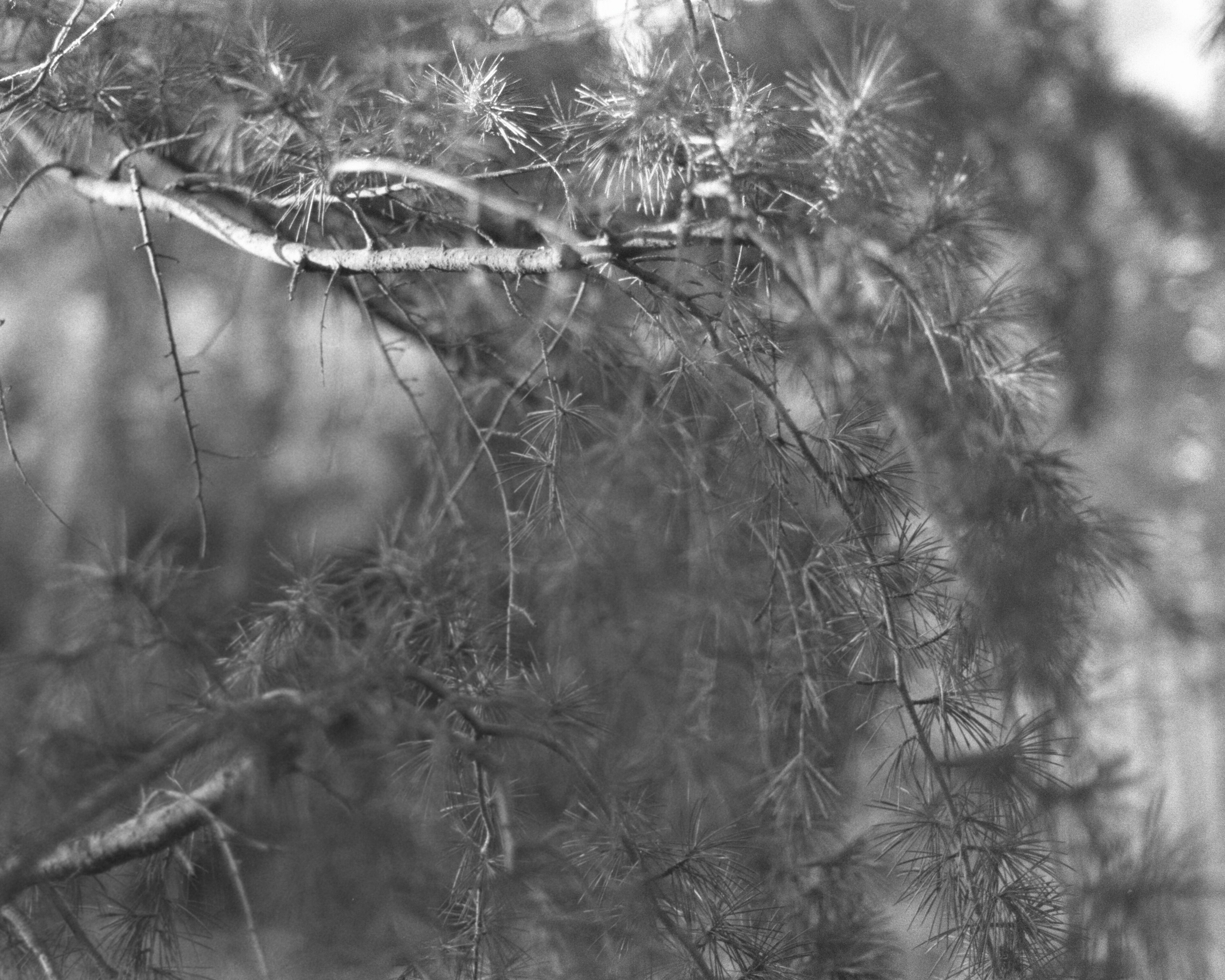
Sun on the needles, and the transition of different areas of the frame to be in and out of focus.
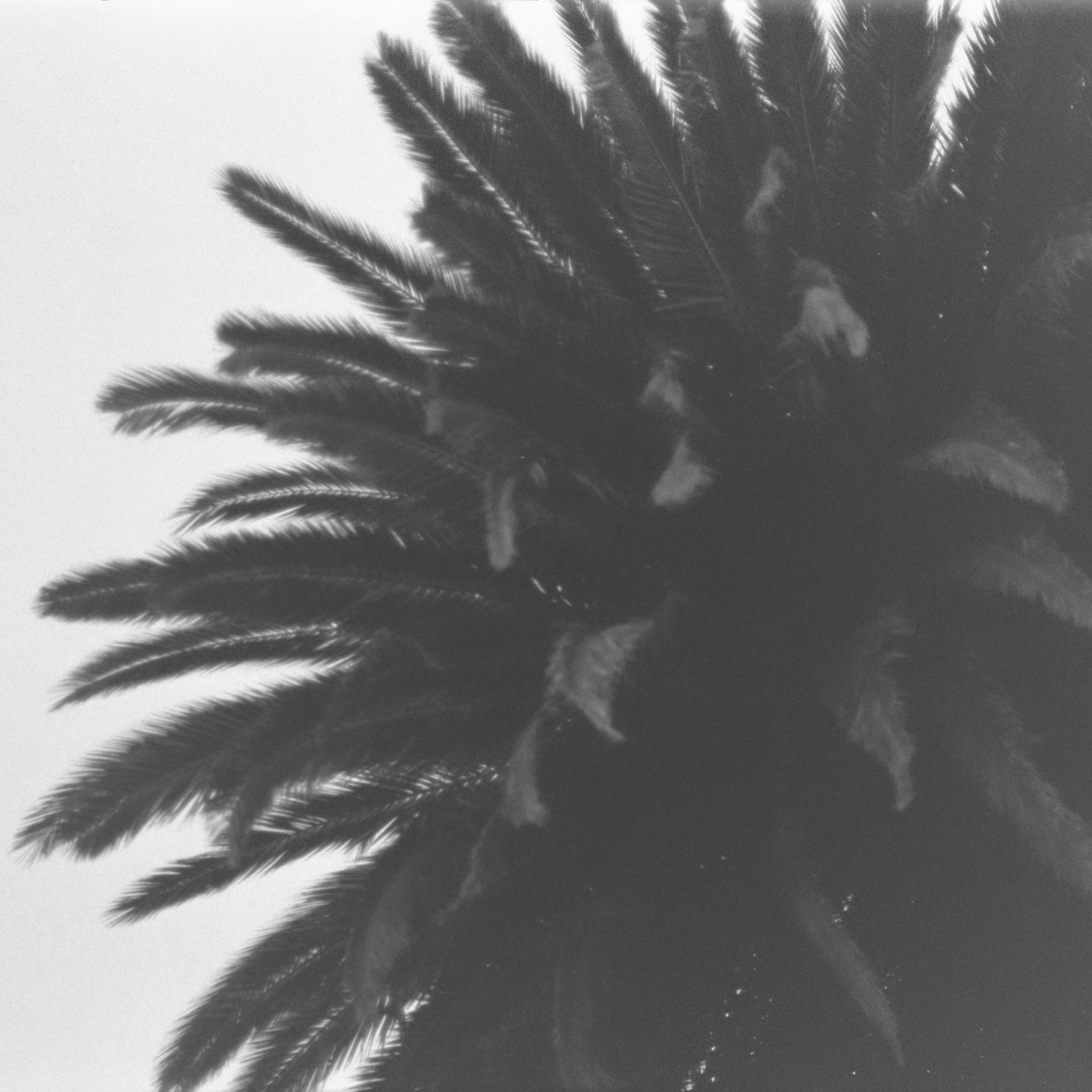
Out of focus, but nice glow.
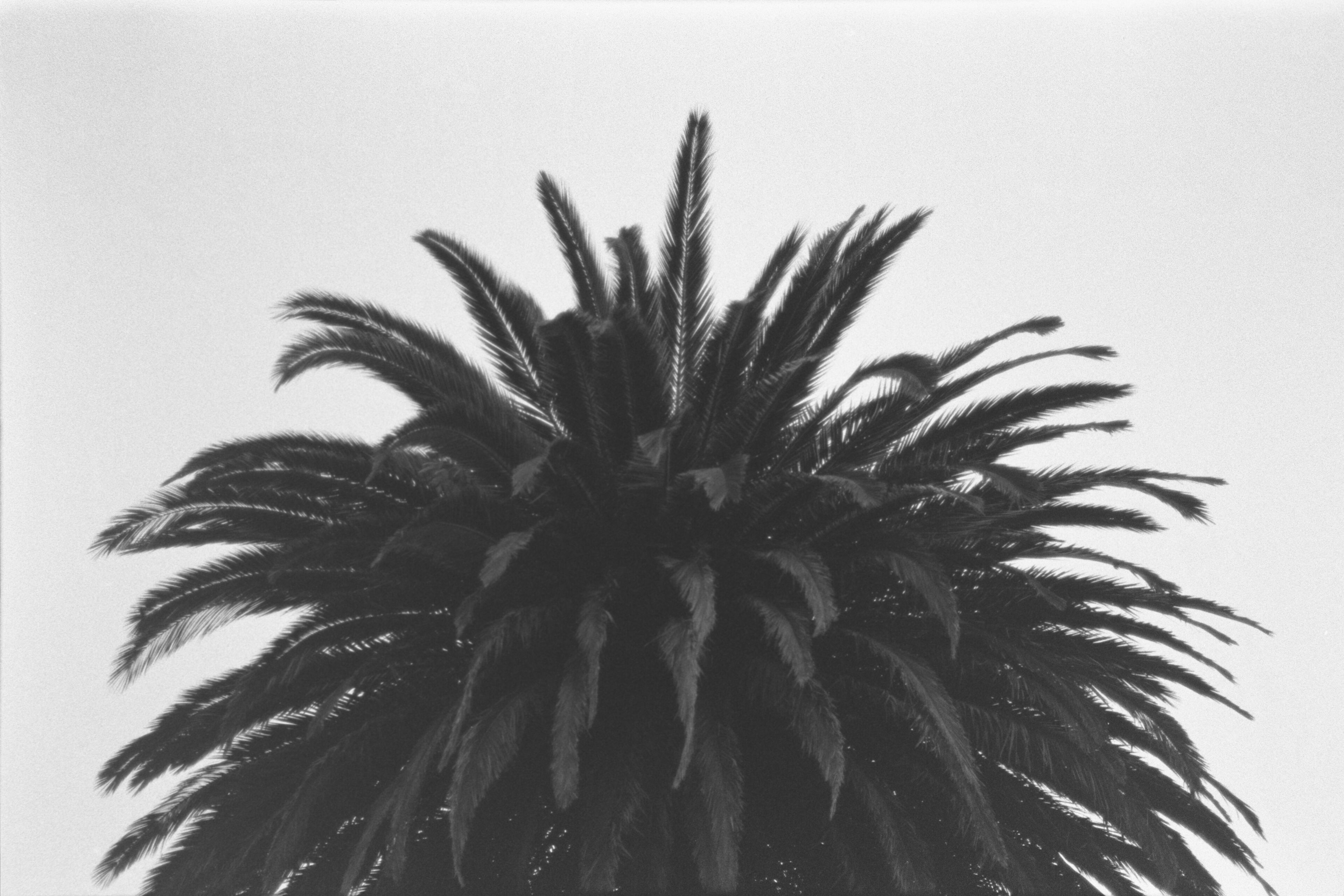
In focus, and nice glow.
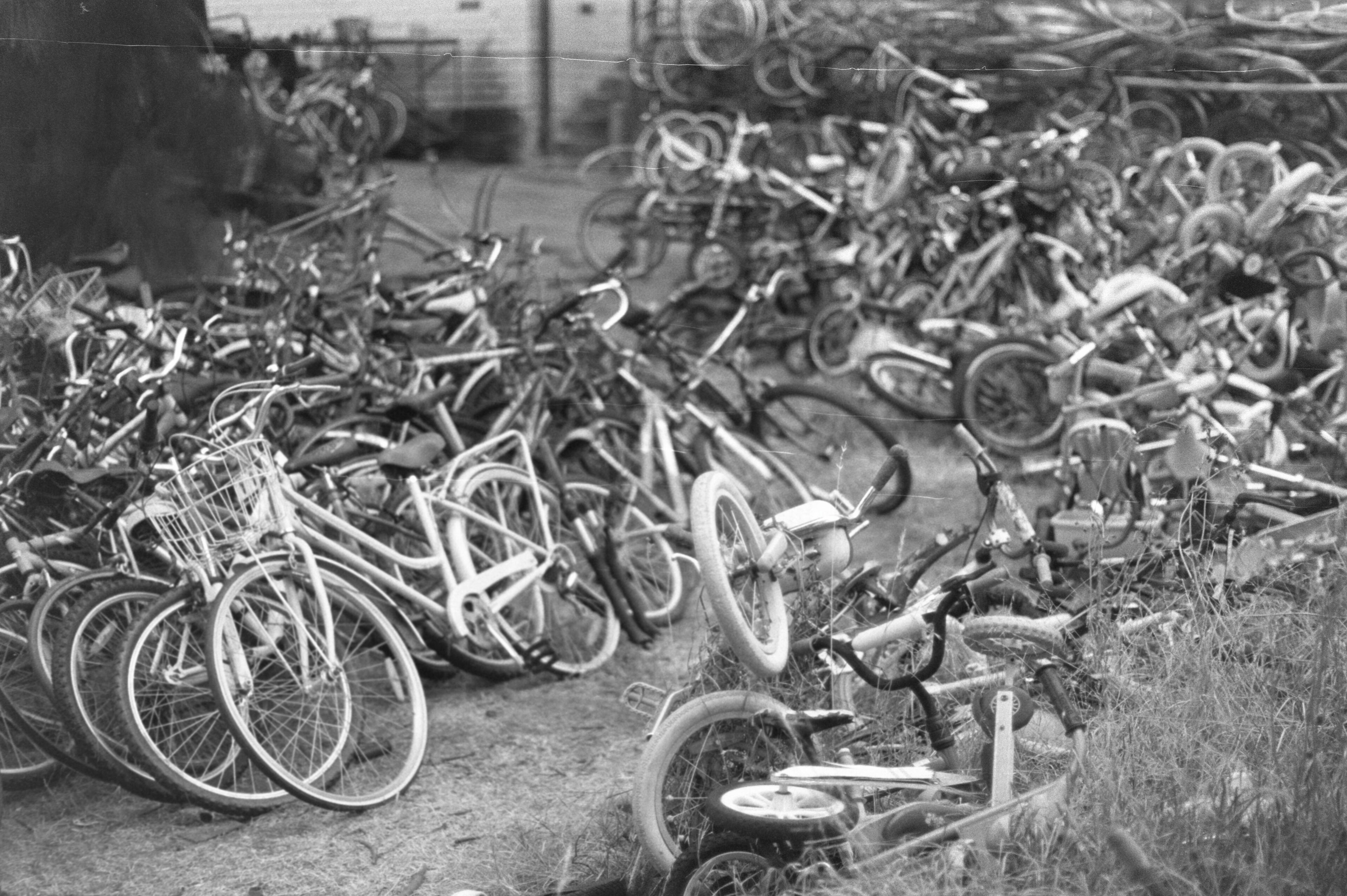
Footscray bicycle graveyard.
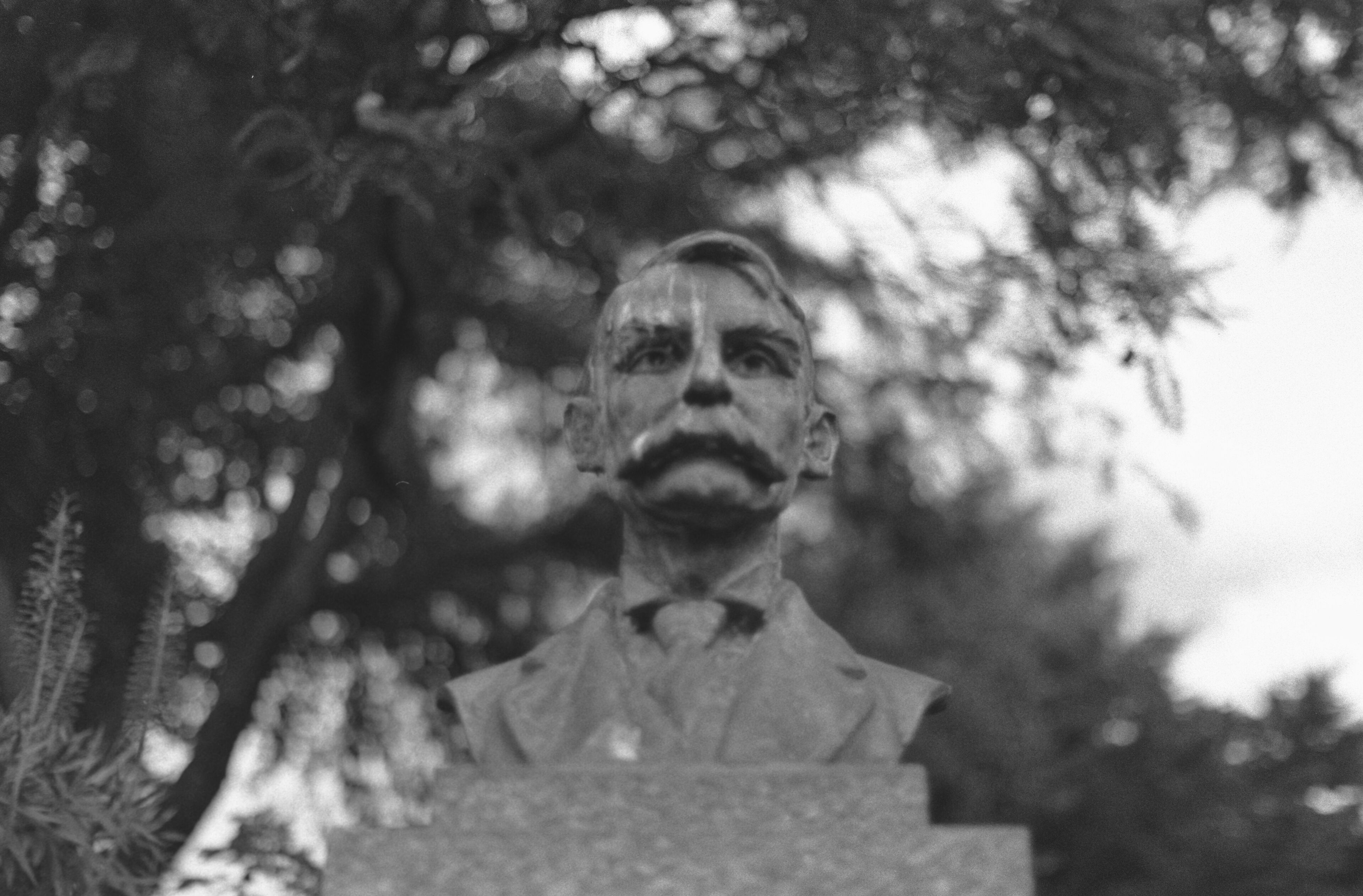
rip.
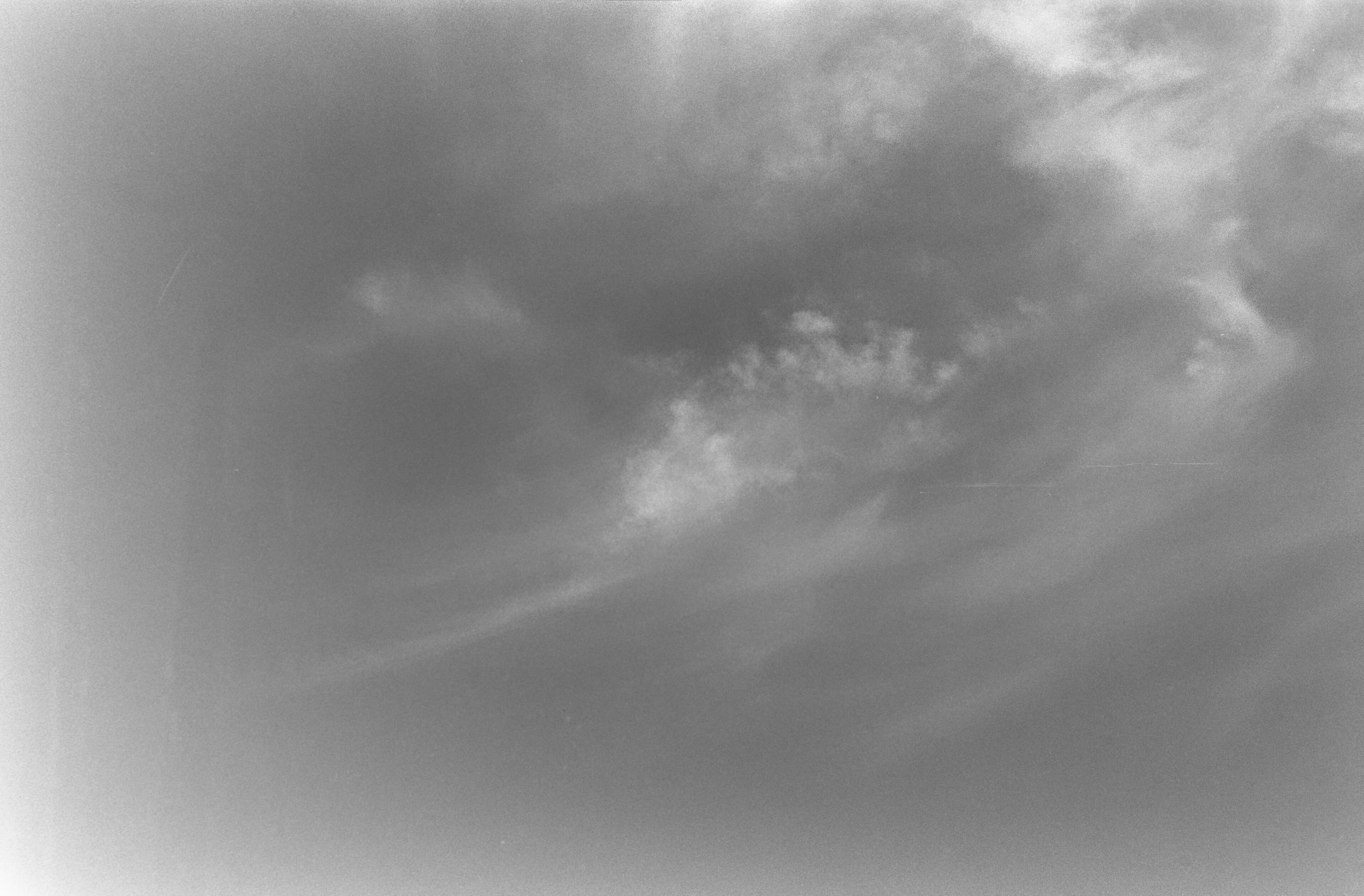
sky.
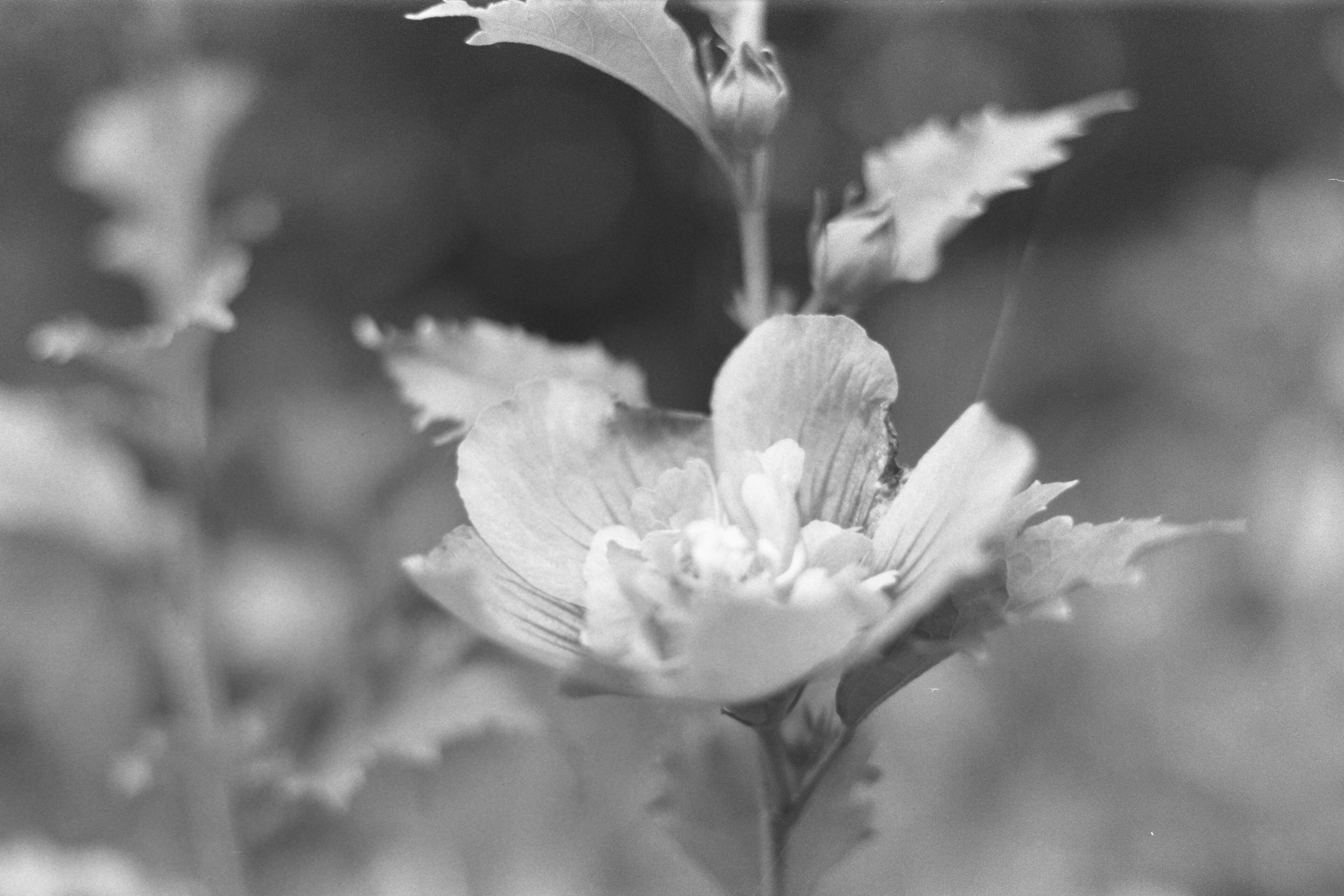
gardens i.
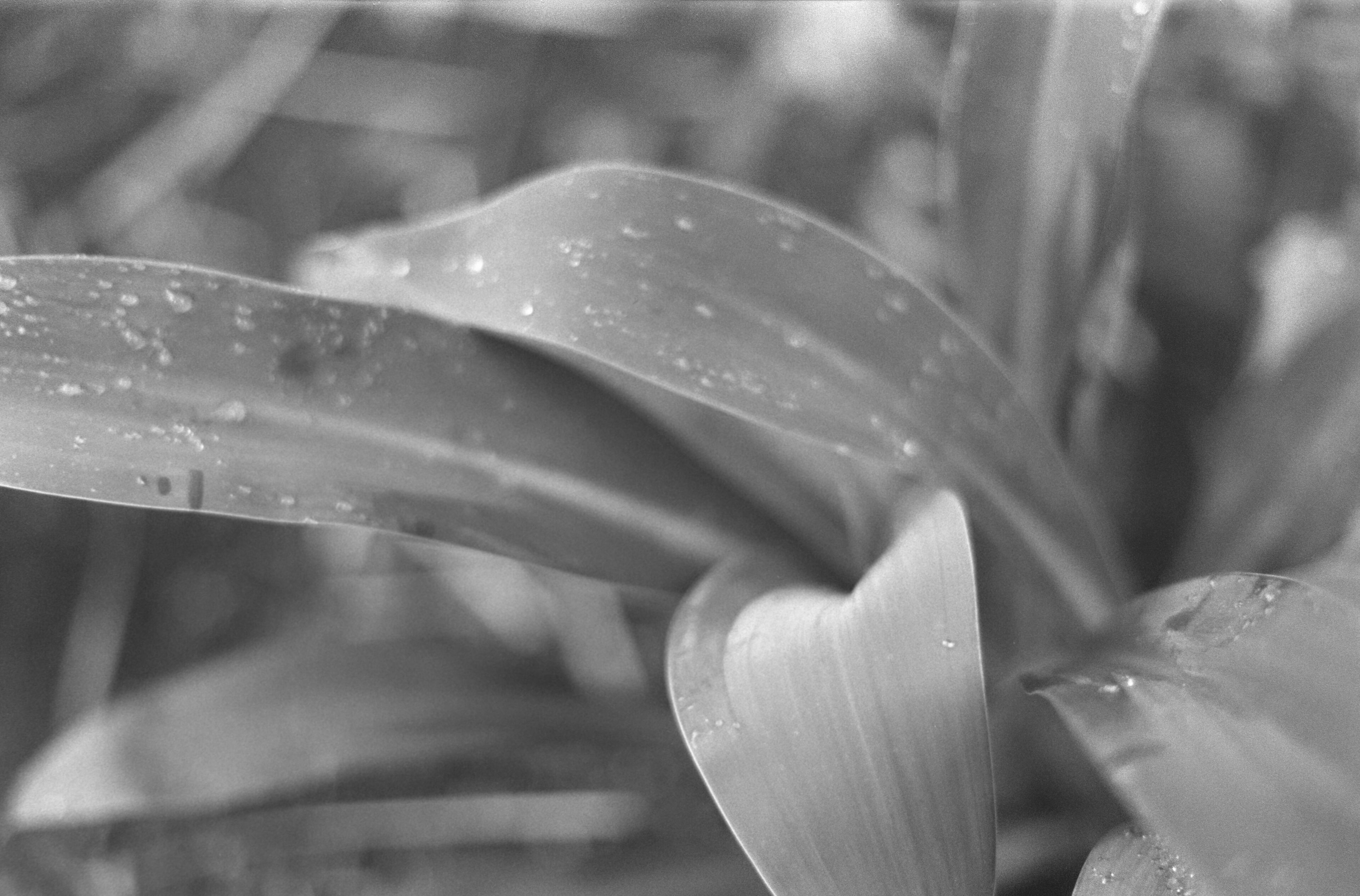
gardens ii.
The second technique I wanted to try was double exposures – a method in which the same strip of film is exposed to multiple images. Both images are exposed at about a stop of light under what would normally be used, in order to ensure that if bright areas double up they don’t come across as over exposed.
I set off around the botanical gardens with an idea in mind. The first exposure I would fill the frame with some texture or pattern – leaves, a bush, grass, etc. The second exposure would be of a sun-lit subject that I’d place in the middle of the frame.
The photograph below is the cleanest example of this concept. The others are a bit messier, and in some cases it looks like three or four different exposures hit the same part of the film.
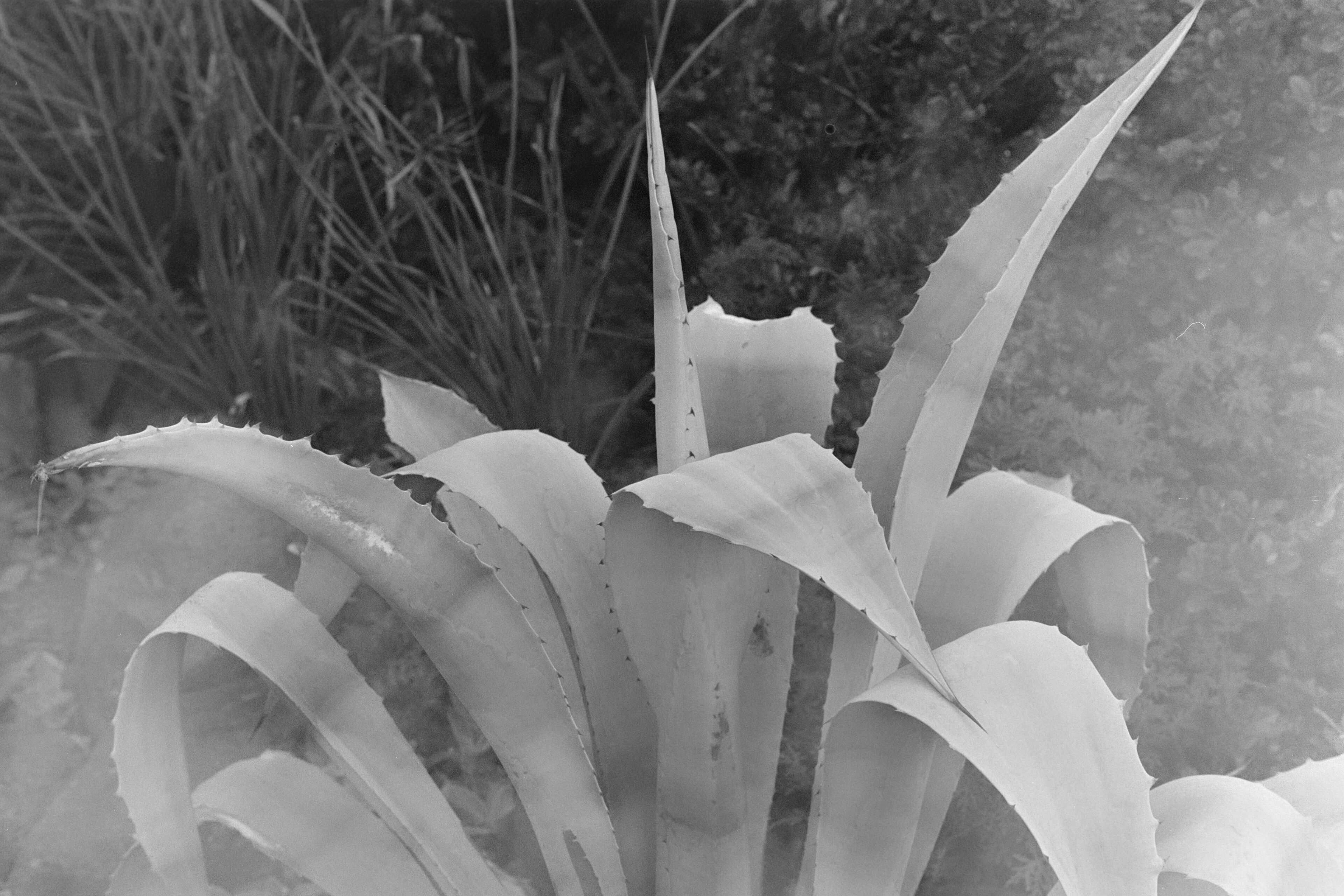
double i.
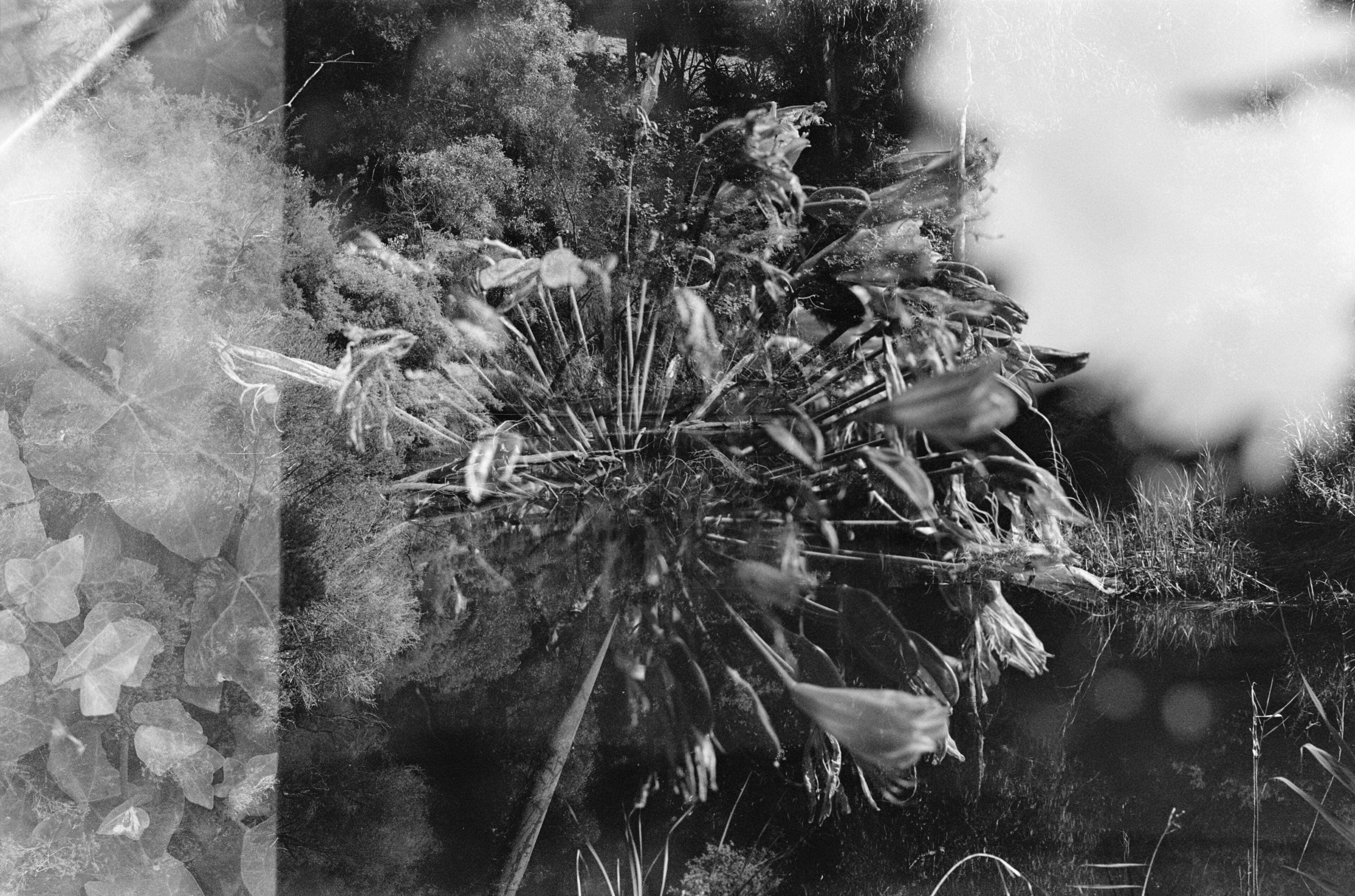
double triple i.
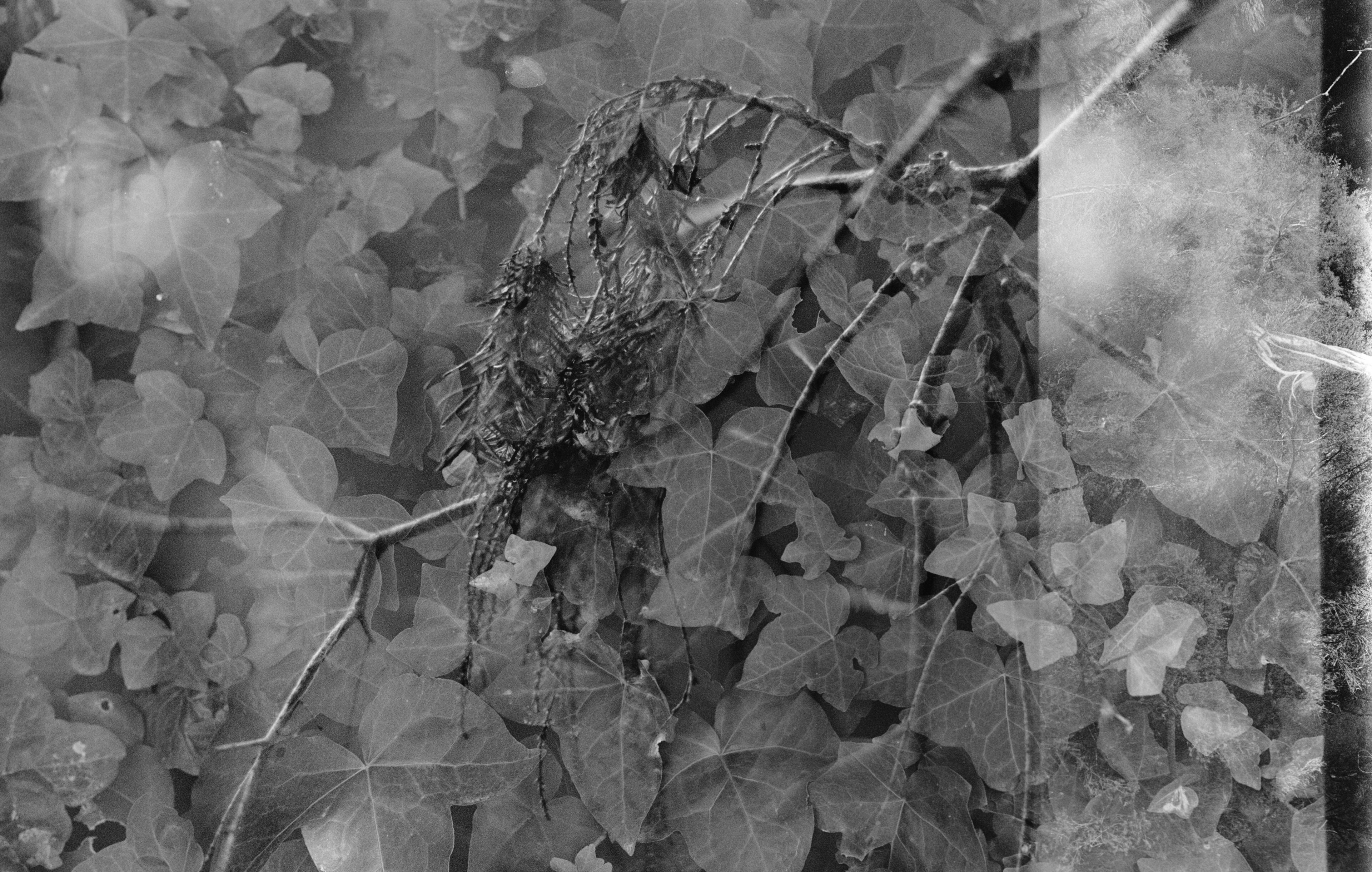
double triple ii.
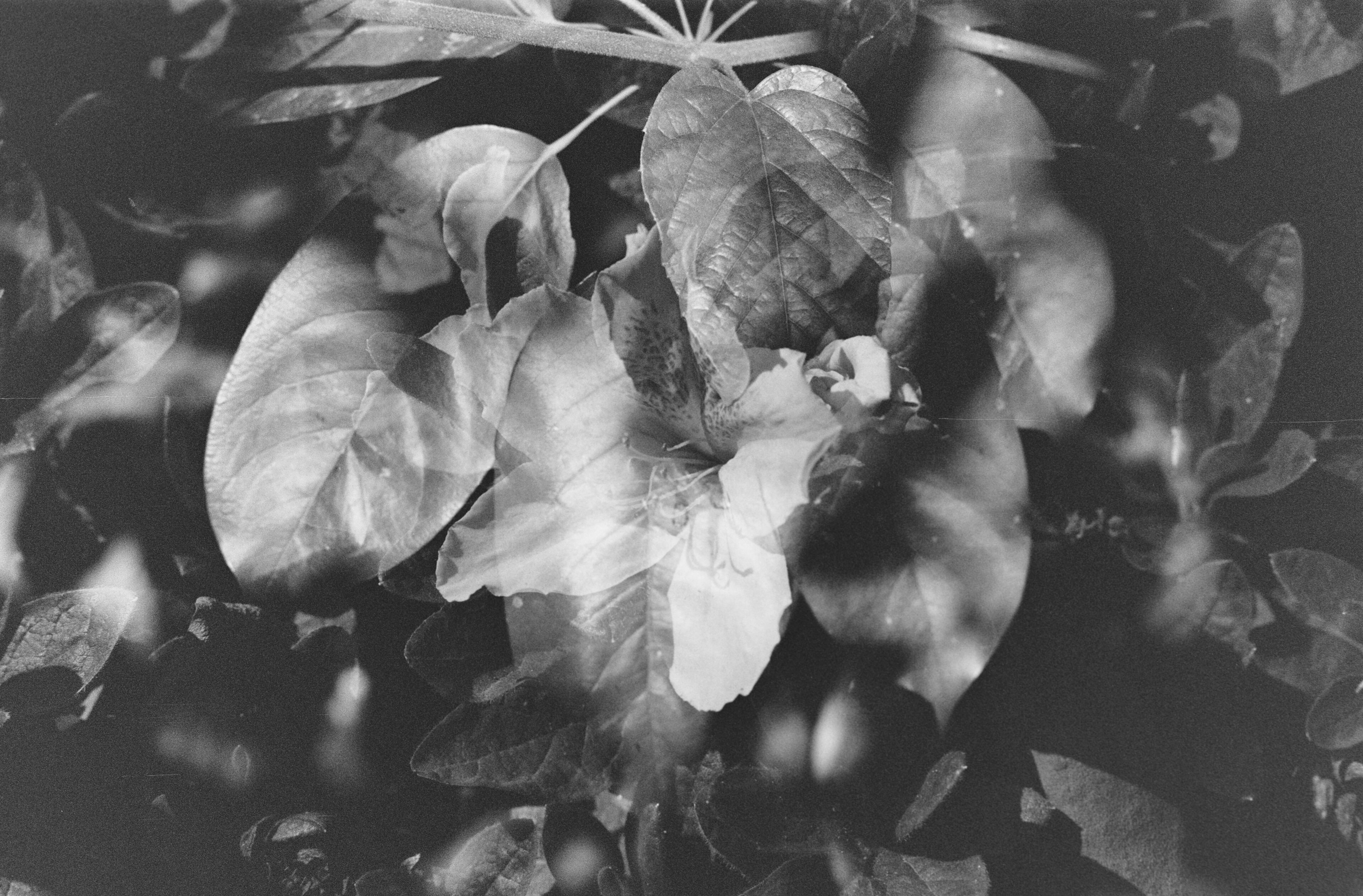
double ii.
These last few are in my house.
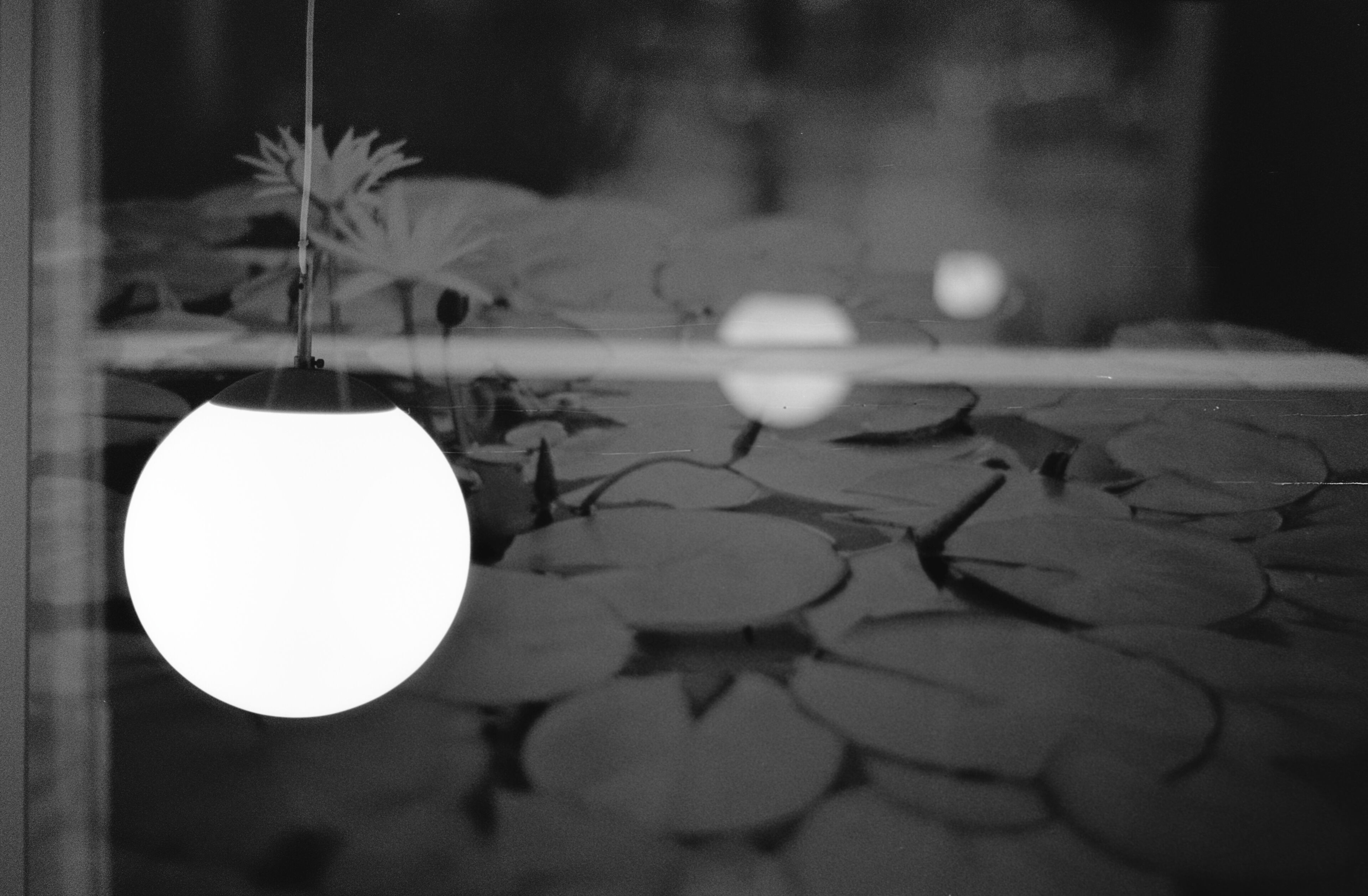
double iii.
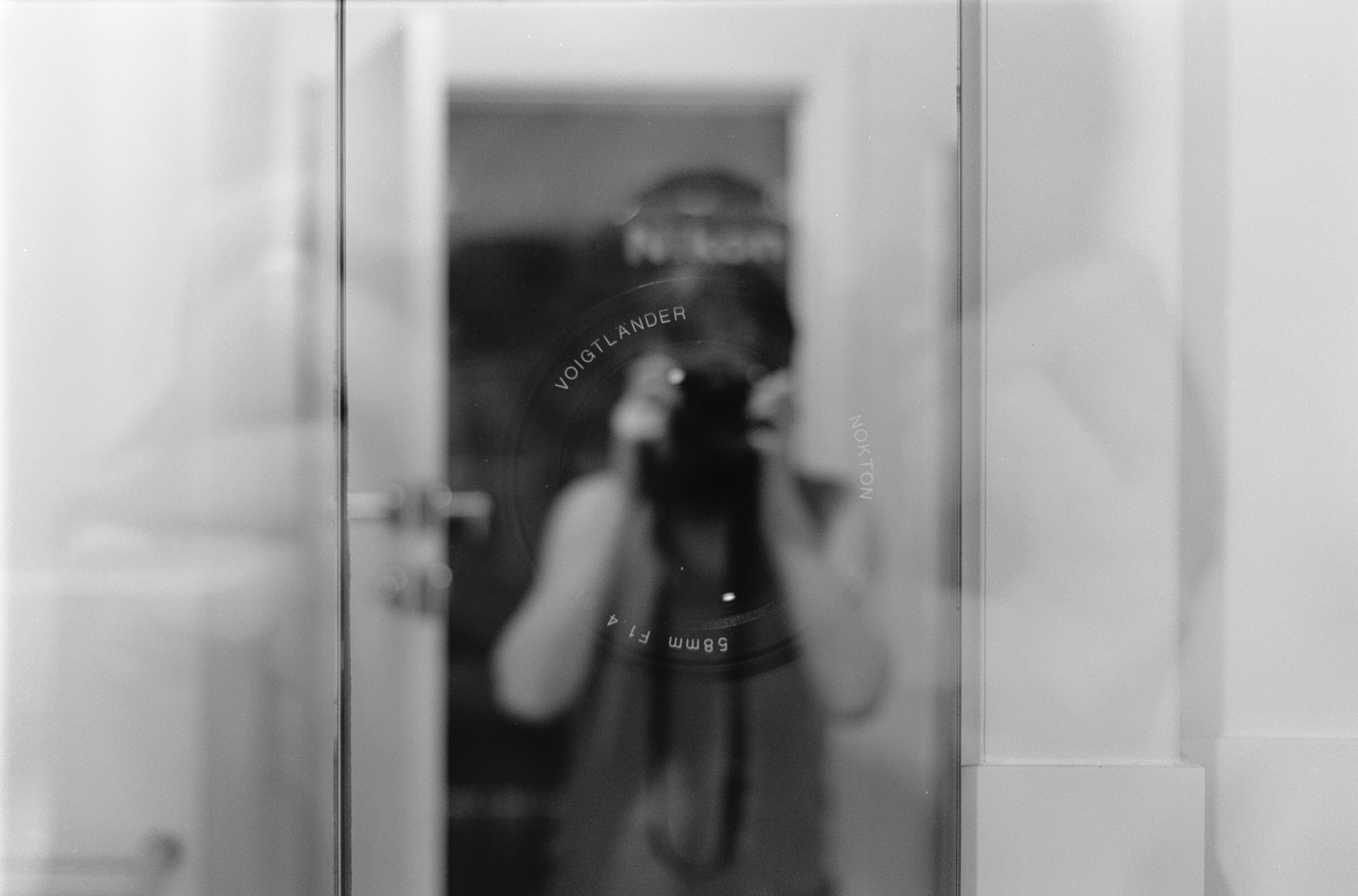
double iv (reversed).
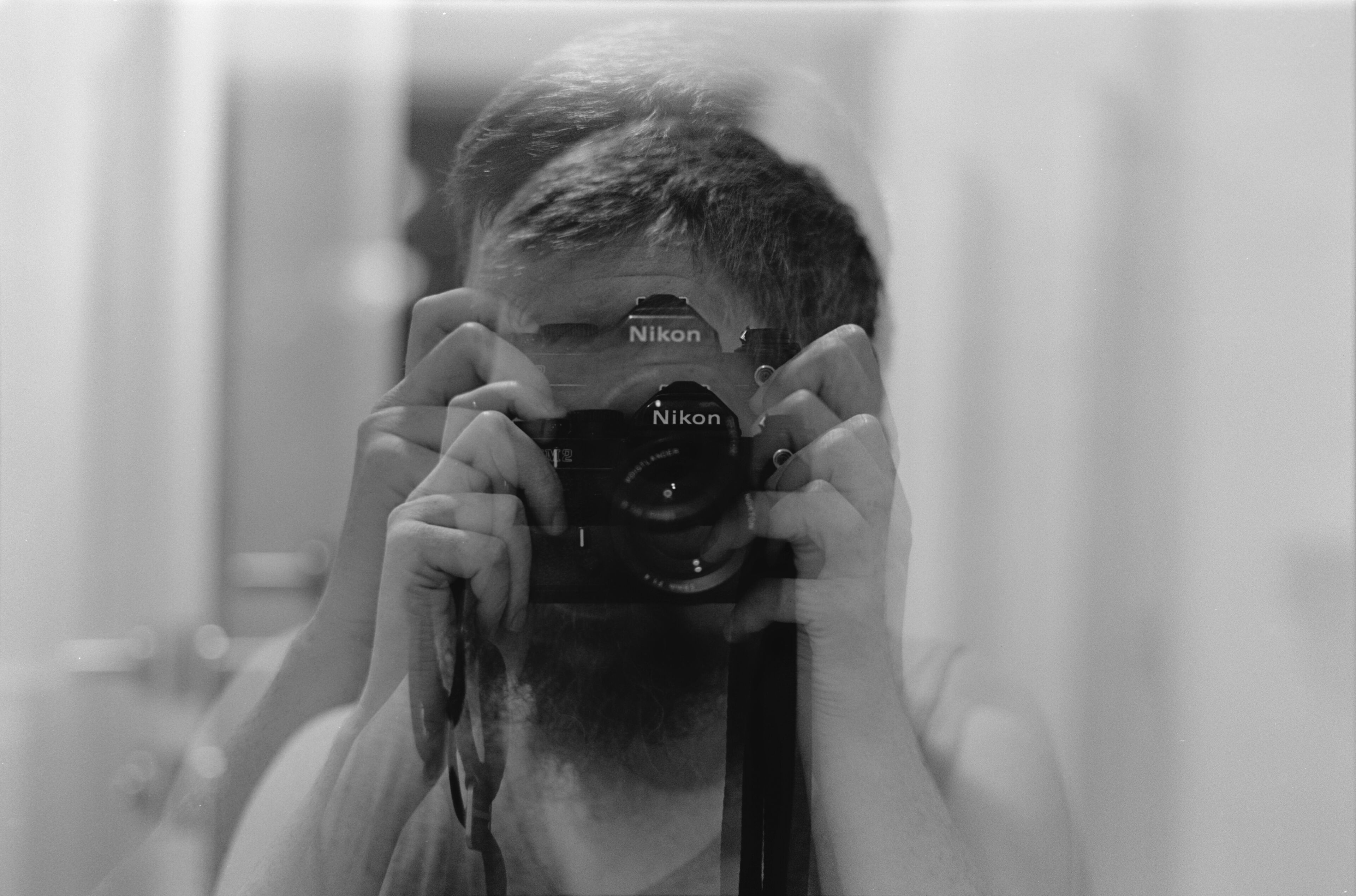
double v (reversed).